Understanding E-Invoicing: From Basics to Benefits for Finance Teams (Including Common Questions on Compliance & Implementation)
E-invoicing represents a fundamental shift from traditional paper or PDF-based invoicing to a fully digitized, structured data format exchanged directly between buyer and seller systems. For finance teams, understanding this transition is paramount. It’s not merely about sending an email with an attached invoice; it involves a standardized electronic format (like UBL or CIUS) that can be automatically processed, validated, and integrated into ERP systems. This eliminates manual data entry, reduces human error, and significantly accelerates the entire procure-to-pay cycle. Beyond the basics, it’s crucial to grasp the various models: direct exchange, where large businesses connect directly, or the more common four-corner model, utilizing accredited service providers (Access Point Providers) to facilitate secure and compliant exchanges, especially vital for cross-border transactions and adherence to national e-invoicing mandates.
The benefits for finance teams extend far beyond just faster processing. Embracing e-invoicing leads to substantial cost savings by reducing printing, postage, and manual labor. More importantly, it provides a foundation for enhanced financial control and accuracy. With real-time visibility into invoice statuses and automated reconciliation, teams can better manage cash flow, identify discrepancies faster, and streamline audit processes. Compliance is a major driver globally, with many countries mandating e-invoicing for B2B and B2G transactions. This necessitates an understanding of specific national regulations, such as continuous transaction controls (CTCs) or specific reporting requirements. Common questions often revolve around:
- Interoperability: How do different systems and service providers communicate?
- Security: How is data protected during transmission?
- Archiving: What are the legal requirements for storing electronic invoices?
- Implementation: What’s the best strategy for integrating with existing ERPs?
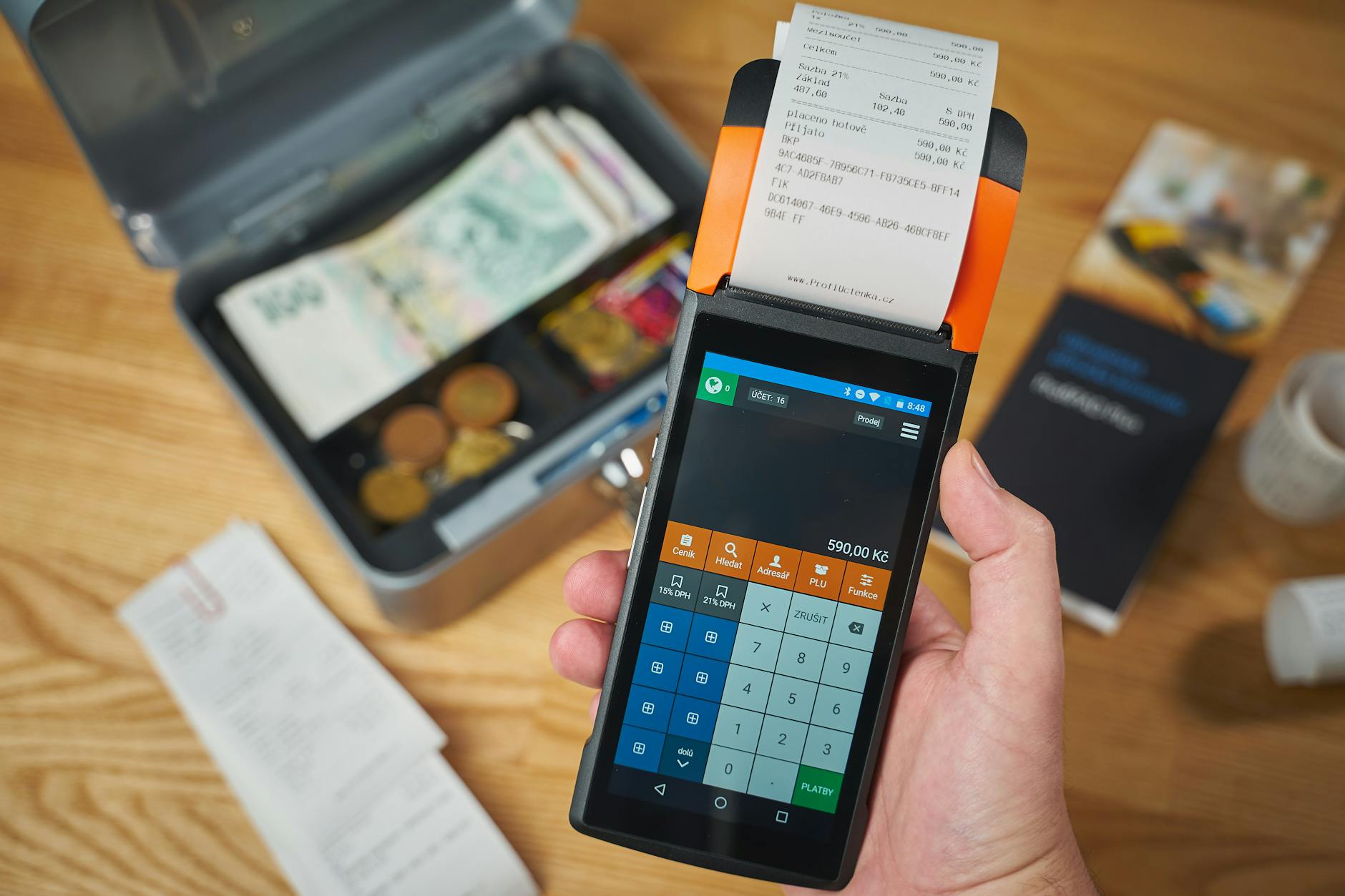
E-invoicing streamlines financial operations for retail firms by automating the creation, exchange, and processing of invoices, reducing manual errors and accelerating payment cycles. This digital transformation not only enhances efficiency but also ensures compliance with national regulations, offering a more secure and transparent transaction process for e-invoicing for retail firms of all sizes. By adopting e-invoicing, retailers can significantly cut administrative costs and improve their overall financial management.
Practical Strategies for E-Invoicing Success: Tips for Integration, Vendor Selection, and Overcoming Common Implementation Hurdles
Successfully integrating e-invoicing often hinges on a well-thought-out strategy, beginning with a thorough assessment of your existing financial processes and IT infrastructure. It's crucial to identify bottlenecks and areas where automation can yield the greatest benefits. Consider the various integration methods available, from direct API connections to more standardized approaches like EDI or PEPPOL. For many businesses, a phased rollout proves most effective, starting with a pilot group of vendors or customers to iron out any kinks before a broader deployment. Don't underestimate the importance of data mapping and ensuring compatibility between your ERP system and the e-invoicing platform; accurate data transfer is paramount for avoiding errors and delays. Finally, robust testing in a sandbox environment is essential to validate the entire workflow before going live.
When selecting an e-invoicing vendor, look beyond just pricing. A truly effective partner offers a solution that scales with your business needs and provides comprehensive support. Key considerations include the vendor's network reach – can they connect with your existing trading partners? – and their compliance with relevant international e-invoicing regulations, especially if you operate globally. Ask about their security protocols and data privacy measures, as you'll be entrusting them with sensitive financial information. Furthermore, a good vendor will offer intuitive user interfaces, robust reporting capabilities, and excellent customer service to assist with any technical or operational challenges. Don't hesitate to request demos and speak with existing clients to gauge their satisfaction and the vendor's responsiveness. Ultimately, choosing the right vendor is a strategic decision that impacts the long-term success of your e-invoicing initiative.